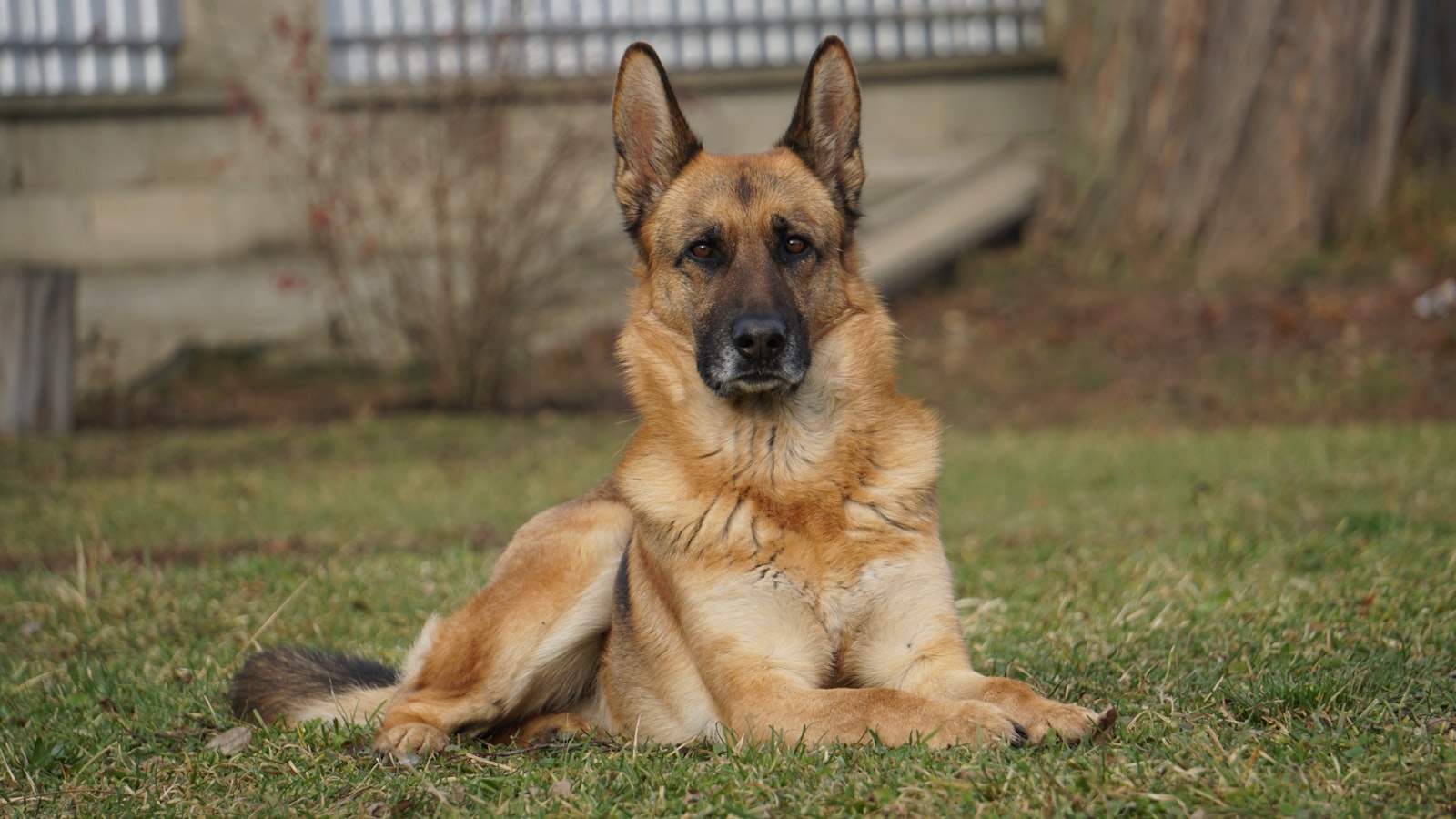
German Shepherds are smart, loyal, athletic dogs, and for the right owner, they can be wonderful companions. They are also a breed that usually needs more day-to-day involvement than people expect. If you have a German Shepherd in Brentwood, or you are thinking about getting one, it helps to look past the breed's image and focus on what living with one actually requires.
These dogs often do best with structure, training, regular activity, and owners who stay engaged. A German Shepherd can thrive on neighborhood walks, training sessions, and active family routines, but most do not do well with minimal exercise or a loose, inconsistent lifestyle.
German Shepherd temperament can be impressive, but it takes guidance
Part of the breed's appeal is how alert and tuned-in many German Shepherds are. They tend to notice visitors, sounds, movement, and changes in their environment quickly. That can make them feel highly responsive and deeply connected to their household.
It can also make them more intense than the average pet dog. Many German Shepherds are reserved with strangers, strongly bonded to their family, and naturally watchful. Without steady training and calm leadership, those traits can turn into barking, pacing, difficulty settling, or overreacting to everyday situations.
That does not make German Shepherds a poor choice. It just means they usually need thoughtful handling. Clear routines, fair expectations, and regular exposure to the world in a manageable way often make a big difference.
Exercise matters, but mental work matters too
A backyard is helpful, but it usually is not enough by itself. Most German Shepherds need purposeful exercise and regular engagement. A quick walk and a few minutes outside may not be enough to keep this breed satisfied.
Many do best with a mix of brisk walks, training time, structured play, scent games, puzzle feeders, or other activities that use both body and brain. The goal is not to wear the dog out once. It is to create a routine that supports physical health and gives the dog something productive to do.
This is where some owners get stuck. A German Shepherd can get a lot of activity and still stay mentally keyed up if there is no work on impulse control and settling. Short training sessions, rest routines, and calm structure are often just as important as exercise.
For Brentwood families who want a dog that can join daily life, outdoor time, and regular outings, that balance matters. Exercise without structure can still leave you with a hard-to-manage dog. Structure without enough exercise often leads to frustration and restlessness.
Training is part of responsible ownership
German Shepherds are usually very trainable, but that does not mean they are easy without effort. They tend to learn quickly, including behaviors owners did not mean to teach. Pulling on leash, guarding behavior, rough greetings, or reacting strongly to distractions can become habits fast when training is inconsistent.
Reward-based training is usually the best place to start. Clear communication, repetition, and fair boundaries tend to work better than harsh correction. Dogs that understand what is expected are usually easier to live with and easier to guide in new situations.
Socialization matters too, especially early on, but it should be calm and thoughtful. A young German Shepherd does not need to be overwhelmed with stimulation. It is more helpful to build confidence through manageable exposure to people, places, sounds, and routines. Adult dogs benefit from ongoing training as well, especially if they are naturally vigilant or easily overstimulated.
Shedding is one of the biggest realities of the breed
German Shepherds do not usually need fancy haircuts, but that does not mean coat care is simple. Most shed year-round, and many have heavy seasonal shedding that catches first-time owners off guard.
Regular brushing helps remove loose hair, cut down on undercoat buildup, and give you a chance to notice skin problems early. During heavier shedding periods, more frequent brushing may help. Baths can also be useful when needed, though too much bathing or the wrong products can dry out the skin.
Grooming is not just about keeping hair off the couch. It can help owners spot irritation, parasites, hot spots, lumps, or changes in the coat before they become bigger problems. Nail care, ear checks, and dental care also matter. Large active dogs can look tough and healthy while still dealing with overgrown nails, early dental disease, or a skin issue hidden under a dense coat.
Joint health deserves close attention
German Shepherds are athletic dogs, but they are also a breed veterinarians watch closely for orthopedic problems. Hip dysplasia and elbow dysplasia are two of the best-known concerns. These joint problems can contribute to pain, stiffness, altered movement, and arthritis over time.
Not every German Shepherd will have major joint disease, but the breed does deserve extra awareness in this area. A young dog that bunny-hops, seems awkward getting up, tires faster than expected, or becomes reluctant to jump may need a veterinary evaluation. In older dogs, slowing down is sometimes blamed on age when pain is part of the picture.
German Shepherds can be stoic. Some keep playing, walking, and staying active even when they are uncomfortable. That is one reason routine veterinary exams matter. Subtle joint problems are easier to manage when they are recognized early.
Weight control also matters more than many owners realize. Keeping a German Shepherd lean can reduce stress on the joints and support better long-term comfort.
Some German Shepherds also have digestive sensitivity
Joint issues are not the only thing owners should watch for. German Shepherds can also be prone to digestive trouble. In some dogs, that may look like a sensitive stomach, intermittent loose stool, food intolerance, or recurring stomach upset that seems tied to stress, diet changes, or both.
That does not mean every German Shepherd has digestive problems. It does mean repeated vomiting, ongoing diarrhea, unexplained weight loss, poor appetite, or frequent stomach upset should not be brushed off as normal for the breed. A veterinary exam can help sort out whether the issue looks dietary, infectious, inflammatory, or related to something else.
Owners should also know the signs of bloat, also called gastric dilatation-volvulus. This is an emergency that can affect deep-chested breeds. A swollen abdomen, repeated unproductive retching, sudden distress, drooling, pacing, or collapse means a dog needs immediate veterinary care.
When to call a vet sooner
It is a good idea to schedule an exam promptly if your German Shepherd shows limping, stiffness, trouble rising, repeated digestive upset, appetite changes, unusual weight loss, or a noticeable drop in energy. Sudden abdominal swelling, repeated retching, collapse, or severe distress should be treated as an emergency.
Is a German Shepherd the right fit for every home?
Not always. This breed often does best in homes that want an active, involved, trainable dog and are prepared to keep showing up for that dog every day. German Shepherds usually fit best with owners who are comfortable with exercise, structure, shedding, and ongoing training.
They can be a harder match for households looking for a low-maintenance dog, a dog that is naturally relaxed with everyone, or a dog that can go long stretches without meaningful activity and interaction. That is not a criticism of the breed. It is just an honest part of breed fit.
For the right Brentwood home, a German Shepherd can be an exceptional companion. The key is proactive care from the start, including training, weight management, grooming, and attention to joint and digestive health. A trusted veterinary relationship can help owners track movement, body condition, skin and coat health, and overall comfort over time.
With a breed this capable and intense, steady support goes a long way. It can make life easier for the owner and help the dog stay healthier, more comfortable, and better balanced for years to come.