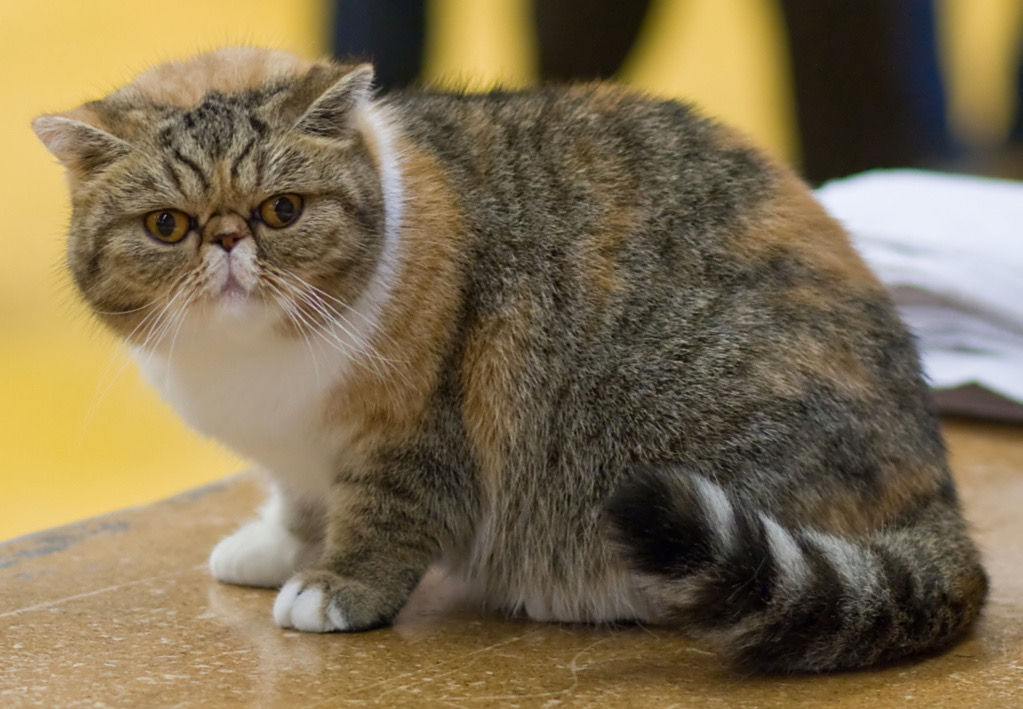
Exotic Shorthair cats are often described as the short-haired version of the Persian. That is partly true. They share the same round build, calm expression, and generally easygoing personality, but their shorter coat is usually easier to manage.
What gets missed is that easier does not mean easy. Exotic Shorthairs still need regular grooming, close attention to eye and face care, and practical management of breed-related issues like breathing comfort and weight gain. Because they are often quiet, mellow cats, they may not make discomfort obvious.
For cat owners in Brentwood, that matters. Warm inland weather, dry indoor air, and long stretches inside can all affect a flat-faced cat's comfort. A cat that looks relaxed may still need more support than expected to stay comfortable day to day.
Why Exotic Shorthairs appeal to so many owners
Exotic Shorthairs are popular for good reason. Many are affectionate, steady, and less intense than more athletic or vocal breeds. They often enjoy quiet companionship, familiar routines, and comfortable indoor living.
That can make them a great fit for adults, families with respectful children, and households that want a calmer pet. Many Exotic Shorthairs like being close to their people without constantly demanding attention.
The same laid-back temperament can also make them a little harder to read. Low activity may be normal for the breed, but it can also make it easier to miss subtle changes in breathing, mobility, dental comfort, or body condition.
The coat is easier than a Persian's, but grooming still matters
One of the breed's biggest advantages is its coat. Exotic Shorthairs have a plush, dense coat, but it is much shorter than a Persian's. That usually means fewer mats and less daily brushing.
Even so, grooming should not be treated as optional. Their thick coat still sheds, traps loose hair, and can hide skin irritation, dandruff, lumps, or gradual weight gain. Most Exotic Shorthairs do well with brushing a few times a week, along with regular nail checks and help keeping the rear end clean if grooming becomes difficult.
Owners should pay attention to changes such as:
- more shedding or frequent hairballs
- greasy or flaky skin
- difficulty grooming the back end
- overgrown nails
- a coat that starts to look messy or neglected
Because these cats are naturally round and heavily coated, extra weight can creep up slowly. A cat may still look soft and sturdy even when body condition is starting to slip.
Flat-faced anatomy affects more than appearance
The most important practical issue with Exotic Shorthairs is their brachycephalic, or flat-faced, anatomy. Their shortened facial structure can affect breathing, tear drainage, dental alignment, and overall comfort.
Some Exotic Shorthairs snuffle, snore lightly, or sound a little congested even when they are otherwise well. That can be normal for the individual cat, but it should not be dismissed automatically. Breathing changes deserve attention, especially if they seem more pronounced over time.
Watch more closely if your cat has:
- louder or more effortful breathing than usual
- trouble tolerating warm rooms
- noisy breathing while awake
- open-mouth breathing
- slower recovery after play, stress, or travel
- clear discomfort during heat or excitement
This is especially relevant in Brentwood, where hotter weather can make brachycephalic pets less comfortable. Exotic Shorthairs do best with cool indoor space, fresh water, and a low-stress environment during warm periods. Even a mostly inactive cat can become overheated or uncomfortable faster than many owners expect.
Eye and face care are part of routine care
Exotic Shorthairs often have some tear staining or moisture around the eyes because their facial structure can interfere with normal tear drainage. In some cats it stays mild. In others, it can lead to damp fur, skin irritation, odor, or chronic staining.
Many owners need to gently clean the area around the eyes on a regular basis. The goal is simple: keep the skin dry, keep the cat comfortable, and notice changes early.
A veterinary visit is a good idea if you notice:
- thicker or colored discharge
- squinting
- redness
- swelling
- pawing or rubbing at the face
- suddenly worse tearing
- an odor from the eye area or facial folds
Because the breed has a flatter face and more prominent eyes, small eye problems can become uncomfortable quickly. It is better to have a change checked than to assume every eye issue is just part of the breed.
Temperament, lifestyle, and ownership fit
Exotic Shorthairs are usually a strong match for people who want a gentle, predictable cat. They tend to do well in homes that value routine and quiet rather than nonstop activity. Many are happiest with soft resting spots, moderate play, and a stable daily rhythm.
That does not mean they are maintenance-free. They are lower-maintenance than Persians in coat care, but not low-maintenance overall. Owners still need to watch for subtle health changes and stay realistic about the breed's ongoing care needs.
They may be less ideal for people hoping for a highly athletic cat or a pet that requires very little upkeep. Exotic Shorthairs are often easy to live with, but they still benefit from attentive, hands-on care.
Health issues owners should watch closely
Not every Exotic Shorthair will develop the same problems, and no breed can be reduced to a checklist. Still, some patterns are worth watching more carefully in this breed.
Breathing comfort is high on the list because of the facial structure. Eye and facial fold issues are also common day-to-day concerns. Dental disease can matter as well, especially if the mouth is crowded or the cat hides signs of pain.
Weight gain is another common long-term issue. Many Exotic Shorthairs are not especially intense movers, and it is easy to overfeed a charming cat that always seems ready for a treat. Extra weight can make grooming harder, reduce mobility, and add strain to a stocky body.
Other changes worth taking seriously include:
- appetite changes
- less interest in jumping
- reduced grooming
- bad breath
- new hiding behavior
- changes in litter box habits
- nasal noise that seems worse than before
- lower tolerance for activity or heat
Some flat-faced cats may also have inherited risks that are worth discussing during routine veterinary visits, especially when little is known about the cat's background.
Why regular veterinary care matters for this breed
Exotic Shorthairs are a good example of why routine veterinary care matters even when a pet seems fine. With this breed, having a baseline is useful. That includes weight trends, breathing sounds, dental condition, eye appearance, coat quality, and what is normal for that cat's energy level.
A cat that has always had mild tear staining is different from one whose face is suddenly wetter than usual. A cat that has always snored lightly is different from one that now seems to work harder to breathe. A cat that has always been mellow is different from one that is becoming less active because it does not feel well.
A trusted Brentwood veterinarian can help sort out those differences before a smaller issue turns into a bigger problem. That is often the real value of preventive care with a breed that can look comfortable while quietly developing discomfort.
The bottom line
Exotic Shorthairs can be wonderful companions. They are often sweet, calm, and easier to groom than Persians, which is part of what makes them so appealing. But they are not a no-fuss breed.
Their flat-faced anatomy, eye care needs, tendency toward weight gain, and subtle way of showing discomfort all mean owners need to stay observant. In Brentwood, keeping these cats cool, comfortable, and well monitored during warm weather is an especially practical part of care.
If you already have an Exotic Shorthair, or you are thinking about bringing one home, the best approach is simple: enjoy the breed's affectionate personality, but stay realistic about daily care. Ongoing checkups can help you keep an eye on breathing, eye comfort, dental health, weight, and overall quality of life.